Best Joke Books for Kids: Funny Reads and Choosing Tips
Share
A joke book can encourage children to read, share wordplay and enjoy a quick laugh together. It can also be something a child dips into for a few minutes at a time. The right choice depends on the reader’s interests, reading confidence and sense of humour, not simply on a number printed on the cover.
This guide features the published SpongeBob: Laugh Your Squarepants Off! and two knock-knock books from our saved recommendations. They are options to compare rather than a universal ranking: one reader might prefer a familiar cartoon, another the rhythm of a repeated joke format. Check the exact edition, sample pages where available and current retailer details before buying.
We may earn a commission from qualifying purchases through product links. Books and games are sold by other retailers, not Feel Good Times. Check the current edition, seller, condition, price and delivery. SpongeBob SquarePants belongs to Nickelodeon/Viacom International; we link to published or licensed editions.
Match the humour to the child
Children do not all laugh at the same things. Some enjoy riddles and wordplay, while others prefer a pattern they can repeat with a friend. A child who loves performing may want jokes to share aloud; a quieter reader may prefer browsing independently. Ask what they already enjoy rather than assuming a fashionable character will suit them.
Consider reading confidence as well as age. An approachable book can make reading feel rewarding, while a confident reader may appreciate wording that invites a second look. If a joke relies on an unfamiliar word, explain it without turning the experience into a lesson. A shared laugh matters more than understanding every punchline immediately.
Let children skip jokes that do not land. Humour is personal, and a book should feel like an invitation to play with language rather than a test of whether someone is funny. If the reader finds a sample confusing or uninteresting, choose a different style instead of relying on the title alone.
SpongeBob: Laugh Your Squarepants Off!, ISBN 0857072323, is the English-language Simon & Schuster joke book in our recommendations. A familiar character can make a book inviting, but the recipient’s reading preferences still matter. Check the listing identifies the intended edition, particularly when comparing used copies or different formats.
Invite a child to read a little with a family member, then invent a joke using their own ideas. Homemade additions should be original: there is no need to copy the published book into a card or activity sheet. The pleasure comes from discovering humour together and giving the child room to choose what they enjoy.
For a less confident reader, take turns and explain unfamiliar words. For an independent reader, a bookmark or a warm note can be enough. Do not immediately ask them to entertain the whole family. Leave room for quiet reading as well as social sharing, so the present feels genuinely theirs.
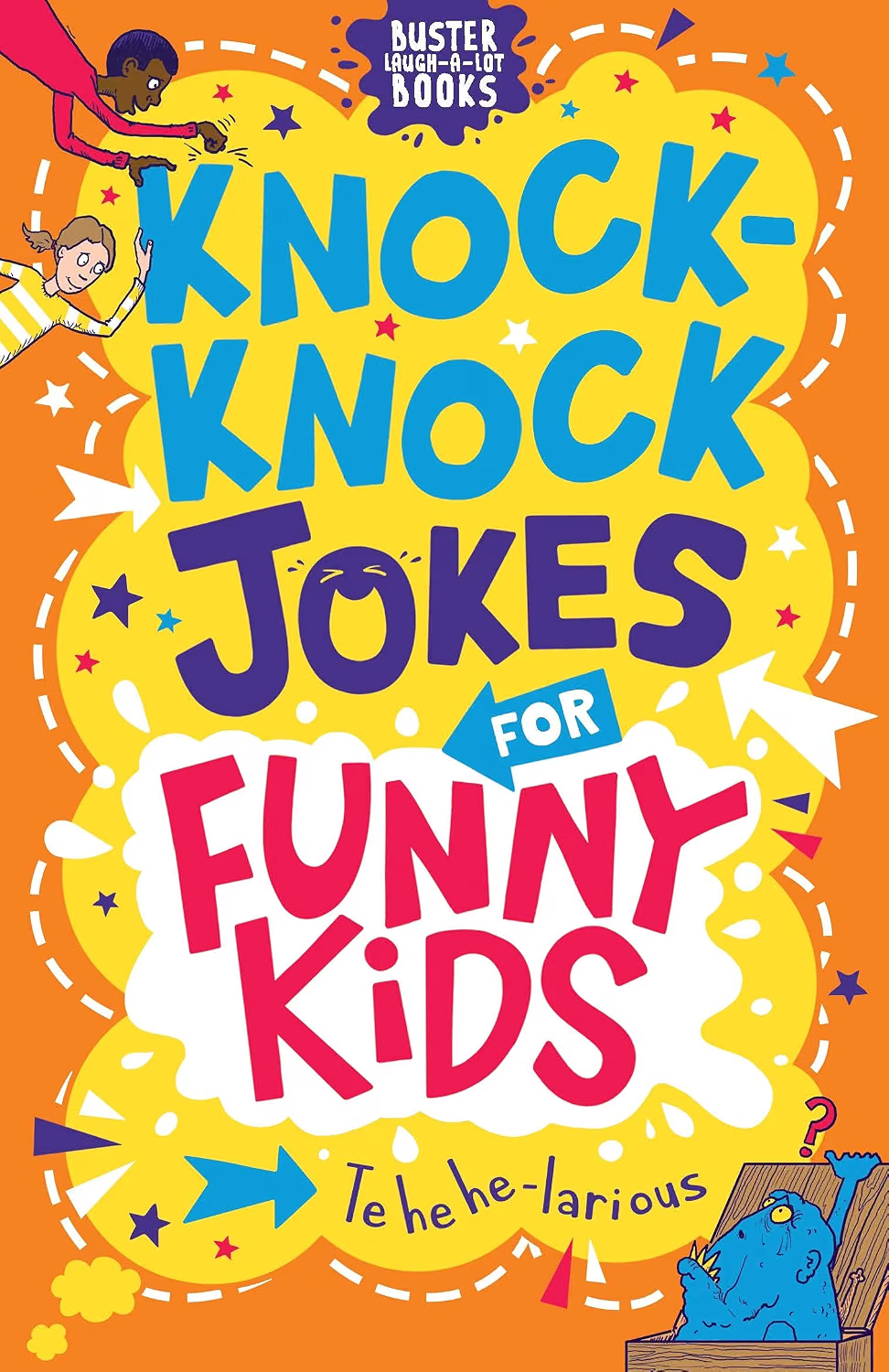
Knock-Knock Jokes for Funny Kids, from the Buster Laugh-a-lot Books range, is another title in our recommendations. A knock-knock format gives the reader a repeating structure to recognise. It can suit children who like taking turns with another person, but familiarity with the format is not a guarantee that every joke will suit every reader.
Check the actual edition and available sample before purchasing. Read the seller’s information rather than assuming a particular page count, age range or price. A child may need help with wordplay even when the basic pattern feels simple. Let them choose whether to read aloud, take one part of the exchange or simply listen.
Use a few pages at a time rather than insisting on finishing the book. A short session before a family game or during a quiet afternoon can keep it enjoyable. If the child wants to write new jokes afterwards, give them paper for their own ideas and make sharing optional.
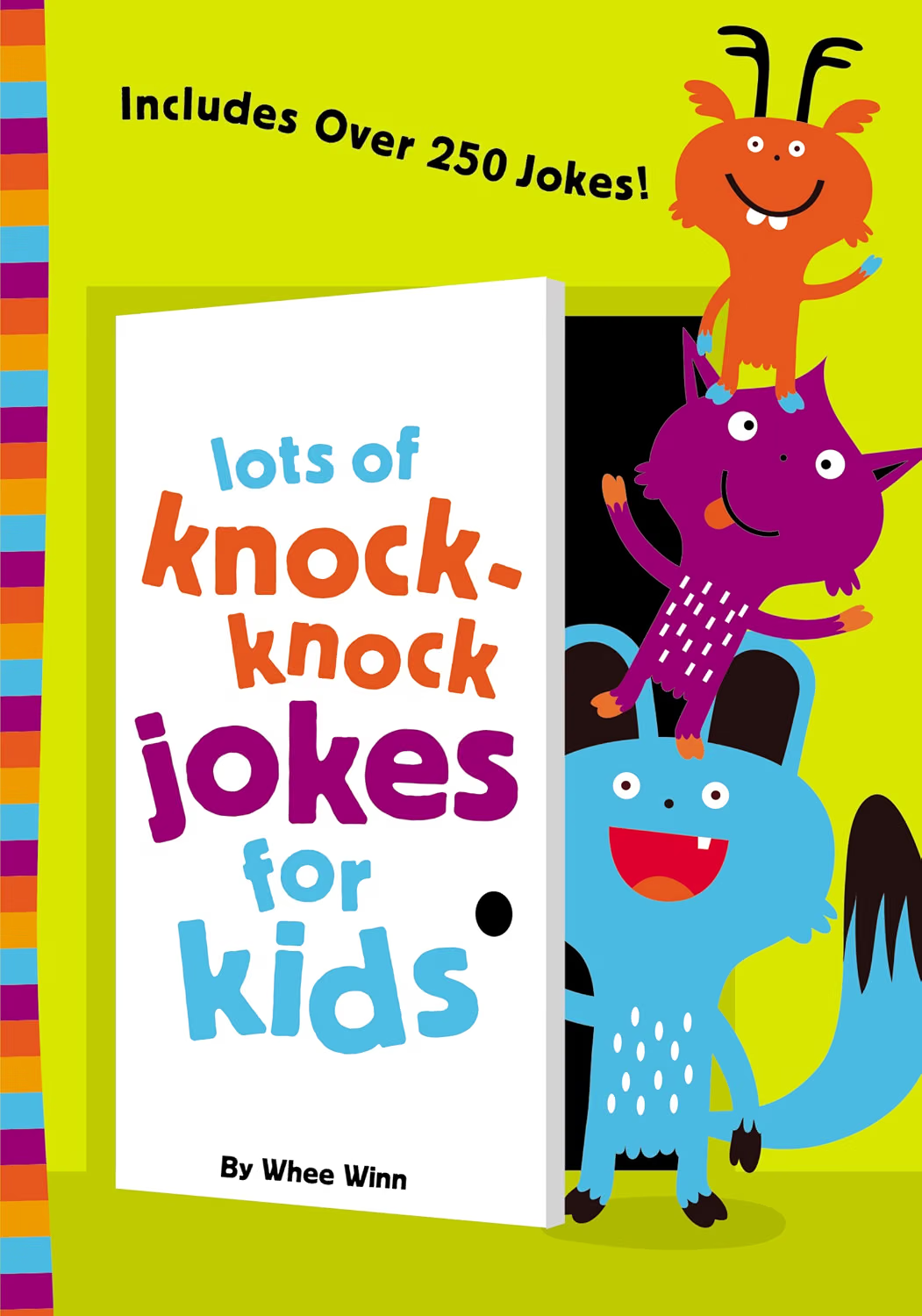
The separately saved title Knock Knock jokes for kids offers another option to investigate. Similar titles can refer to different books, so use the product link to identify the intended listing and confirm the details. Compare the actual sample and edition rather than assuming it is interchangeable with the Buster book.
You do not need to buy two books with the same format. If the child is trying joke books for the first time, choose one that seems accessible and see whether they enjoy it. A parent or carer may be able to suggest whether repeated jokes, riddles or a character-themed collection are more likely to hold their interest.
Make reading a relaxed shared activity
A joke book does not need to be read from beginning to end. Keep it somewhere accessible and let the child choose a page when there is a spare moment. Take turns picking a joke, or let the child read while someone else listens. Ask what they think a confusing line means before offering an explanation.
Keep reactions warm without putting pressure on the child to perform whenever visitors arrive. Some readers enjoy practising aloud; others prefer to share only with a trusted person. A book can support both approaches. The useful outcome is enjoyable reading, not a polished comedy routine.
A simple notebook can hold the child’s original jokes and drawings. Let them dictate if writing is difficult, and encourage kind humour that does not target appearance, identity or personal circumstances. It is a place for new creations, not copied published material. They can revisit it privately or share it when they choose.
Buy the right copy, not just the cheapest listing
Confirm the title, edition, language and condition. A low headline price can change once delivery is included, and a used book may show wear. Check the estimated arrival if buying for a birthday or Christmas. This guide makes no fixed price promise and does not assume a book fits a particular stocking or gift bag.
The best choice is the one the child wants to open. Ask the reader or their parent about interests, compare sample pages where available and keep the present simple. One suitable book and time to enjoy it can be more thoughtful than several collections bought without checking the contents.
Key things to remember
Choose for the individual reader.
Check the exact edition and sample.
Make performing optional.
Encourage kind original jokes.
Frequently asked questions
Which SpongeBob book is featured?
The English-language Simon & Schuster title SpongeBob: Laugh Your Squarepants Off!, ISBN 0857072323.
Are knock-knock books right for every child?
No. Consider reading confidence, interests and humour, and compare the specific edition and sample where available.
Can children make their own joke book?
Yes. Use original jokes and drawings in a notebook, with adult writing help if wanted. Do not copy the published books into a homemade collection.
Can I copy these messages word for word?
Yes. Everything on this page is free to copy, print and read out - no permission or credit needed. Changing one detail so it fits the person is all we would suggest.


 Affiliate link