
2010s Games: Best Board, Card And Video Games
Codenames and Cards Against Humanity at parties, Minecraft and Fortnite everywhere else.
Below: the board games of the 2010s, the card games people played, the video and arcade games of the era, and how games actually got played at home.
Handy for a themed party, a quiz round, a reminiscence session or working out what someone played growing up.
Board games of the 2010s
These modern tabletop classics are perfect for families and friend groups looking to unplug and reconnect during weekend gatherings or holiday celebrations. Whether you are hosting a dedicated games night or looking for a quiet Sunday afternoon activity, having a mix of cooperative and competitive options ensures everyone stays entertained. A handy tip is to set up the board before guests arrive so you can skip the tedious rules explanation and dive straight into the fun.
- Codenames (2015) - two teams, one grid, and a lot of shouting.
- Pandemic Legacy: Season 1 (2015), which changed what a board game could be.
- Azul (2017) and Wingspan (2019), both beautiful and both award winners.
- Articulate!, Jenga and Trivial Pursuit, still the family Christmas three.
- Escape rooms in a box, from about 2016.
Card games of the 2010s
Ideal for students, party hosts, and families on the go, these quick-fire card games are brilliant icebreakers for lively social gatherings or cosy pub nights. They are easy to pack in a suitcase, making them the ultimate holiday travel companions. For the best experience, keep a couple of these fast-paced decks in your living room cabinet so you can easily whip them out when dinner conversation winds down and guests need a quick laugh.
- Cards Against Humanity (2011) - crowdfunded, rude, and at every student party.
- Dobble (2009 in France, and a UK staple through the decade).
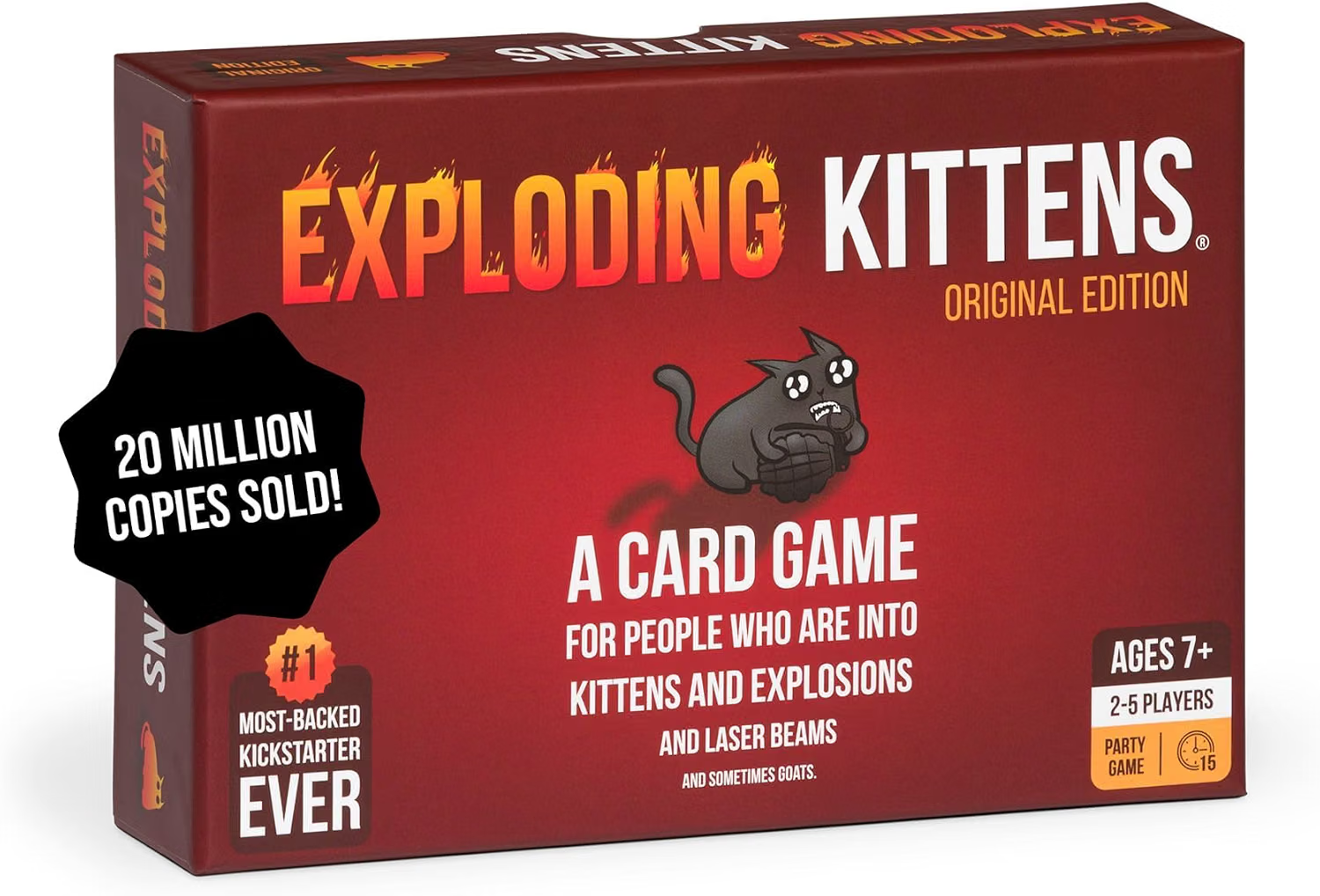
- Exploding Kittens (2015), one of the biggest crowdfunders ever.
- Sushi Go! (2013) and Love Letter (2012), small boxes, quick games.
- Pokemon cards, back again with the next generation.
Video and arcade games
This selection of digital favourites suits both casual screen-time fans and dedicated players who love sharing virtual adventures with friends. It is perfect for recreating a sense of nostalgic comfort on rainy afternoons or sparking lively debates about childhood gaming memories. When introducing older relatives to these titles, try starting with a simple, touch-screen option first to make the experience feel accessible, relaxed, and genuinely collaborative for all generations.
- Minecraft (full release 2011) - the game that a whole generation grew up inside.
- Candy Crush Saga (2012) and mobile gaming as a mass habit.
- Pokemon GO (2016), which got the country walking round parks.
- Nintendo Switch (2017) and Fortnite (2017).
- Among Us (2018), which would not become huge until 2020.
How people played
Understanding these changing play habits is brilliant for anyone planning a nostalgic reunion or looking to design the ultimate modern games room. You can use these insights to set the right atmosphere for a milestone birthday party or a casual family get-together. Our top tip is to create a dedicated, screen-free zone with comfortable seating, which encourages your guests to engage in face-to-face fun just like we did throughout the decade.
- The phone became the most played games machine in the house.
- Board game cafes and Kickstarter between them created a proper hobby scene in Britain.
- Party card games got shorter, louder and easier to explain.
Years covered in the 2010s
This chronological guide is wonderfully suited for trivia buffs, party planners, and anyone designing a milestone birthday celebration. Use these yearly highlights to spark delightful conversations during anniversary dinners or to craft custom trivia questions for a family get-together. To make the most of this timeline, try pairing a specific year with a playlist of hits from that same era to instantly transport your guests back in time.
- 2010 - A hung parliament, a volcano that stopped the planes and the first iPad. Full year: Look back to 2010
- 2011 - The royal wedding, the riots and Adele's 21. Full year: Look back to 2011
- 2012 - The Diamond Jubilee and the London Olympics in one extraordinary summer. Full year: Look back to 2012
- 2013 - A royal baby, Andy Murray at Wimbledon and the horsemeat scandal. Full year: Look back to 2013
- 2014 - The Scottish referendum, the ice bucket challenge and streaming joining the chart. Full year: Look back to 2014
- 2015 - The Queen's record reign, Leicester's title run beginning and Adele's return. Full year: Look back to 2015
- 2016 - Leicester won the league, Britain voted to leave and a lot of people died. Full year: Look back to 2016
- 2017 - Grenfell, the Manchester Arena attack and a snap election that went wrong. Full year: Look back to 2017
- 2018 - A royal wedding, a heatwave and England reaching a World Cup semi-final. Full year: Look back to 2018
- 2019 - A cricket World Cup final nobody could believe and a December election. Full year: Look back to 2019
- That is every 2010s year we have written up so far: 2010 to 2019.
How to use this
This practical advice is perfect for event hosts, quiz masters, and care coordinators who want to bring people together through shared play. Whether you are organising a school reunion, a multi-generational holiday gathering, or a quiet afternoon of storytelling, these suggestions will help. We recommend choosing just one or two activities to focus on initially, allowing your guests to truly relax and connect without feeling overwhelmed by too many choices.
- Themed party: pick one board game and one card game from the list and have both out on the table.
- Quiz round: read a game and ask for the decade, or read the year and ask for the game.
- Reminiscence: ask what was under the tree one Christmas. Games get remembered better than clothes.
- Anyone born in 2010 turns 50 in 2060, 60 in 2070 and 70 in 2080.
Key things to remember
- Release years matter: a game can be invented in one decade and only reach British shops in the next.
- For a party, pick a game people can join halfway through. Nobody wants to start Monopoly at ten o'clock.
- Boot sales and charity shops still turn up the original boxes, usually with one piece missing.
Frequently asked questions
What board games were popular in the 2010s?
Codenames (2015) - two teams, one grid, and a lot of shouting. The full list above covers the rest of the decade's boards.
What card games did people play in the 2010s?
Cards Against Humanity (2011) - crowdfunded, rude, and at every student party. The card games section above has the others.
What video games came out in the 2010s?
Minecraft (full release 2011) - the game that a whole generation grew up inside. The section above lists the arcade, console and computer games of the era.
Do you sell games?
No. We make greeting cards, art prints and pin badges in the UK. This guide is free to read and free to copy - charity shops and second-hand sites are the best place to find the older games.
More ideas you might like
Where to shop next
- Look back to 2010
- Look back to 2011
- Look back to 2012
- Look back to 2013
- Look back to 2014
- Look back to 2015
- Look back to 2016
- Look back to 2017
- Look back to 2018
- Look back to 2019
- 2010s history: events, politics and culture
- 2010s calendar: year by year
- 2010s timeline: key dates and events
- 2010s music: songs, genres and trends
- 2010s films and directors
- 2010s books, films and TV
- 2010s books: novels and authors
- 2010s art: artists and styles
- 2010s fashion: styles, designers and trends
- 2010s food: dishes, restaurants and trends
- 2010s travel: destinations and holidays
- 2010s technology: gadgets and computers
- 2010s shopping guide: what to buy
- 2010s trivia: fun facts
- 2010s quiz: questions and answers
- 2010s party playlist
- The 2010s: the whole decade
- The decade before: the 2000s
- The decade after: the 2020s
- All decade guides in one place
- Card messages by occasion: every guide in one place
- Card hub: cards, badges and messages by occasion
- Decade history by era
- Decade calendars: every year from 1920
- Decade timelines: key dates and events by era
- Decade music: songs, genres and trends
- Decade films: best movies and directors
- Decade books: novels, authors and reading trends
- Decade art: artists, styles and trends
- Decade fashion: styles, designers and trends
- Decade food: dishes, restaurants and eating trends
- Decade travel: destinations and holidays
- Decade technology: gadgets and computers
- Decade shopping guides
- Decade games: board, card and video games by era
- Decade trivia: fun facts by era
- Decade quizzes: questions and answers by era
- Decade trivia game: play for points
- Decade quiz: test your memory
- Shop art prints and posters
- Shop greetings cards
- Shop birthday cards
- Milestone birthday cards
- Nostalgia gift shop
- Retro party supplies
- Phone party games
- How to run a quiz night
- Decade music round questions
- Guess the year quiz
- Board game guides: what to play and how
- Planning the party? Birthday party ideas
- How to make a balloon arch
- Photo booth prop ideas
- Wedding cards
- Wedding cards guide
- Pin badges
- All guides
Cards, prints and badges, made by us
Funny and warm greeting cards, art prints and pin badges, printed in the UK. We do not sell games - this guide is free to read, print and copy.


Found your words? Now find the card
Shop greetings cards Look back to 2010 Look back to 2011 Look back to 2012