
2010s Books: Top Writers, Novels And Reading Trends
E-books, self-publishing, BookTube and the cookbook as a bestseller.
Below: books published in the 2010s, the writers who defined it, what was changing in publishing, and how people actually got hold of a book.
Every title and date is real. Useful for a reading list, a quiz round or a reminiscence session.
Books published in the 2010s
This selection of era-defining titles is perfect for book clubs seeking a nostalgic read, or anyone looking to understand the cultural landscape of the era. Use it when planning your next group reading schedule to spark lively debates about the stories that got everyone talking. A practical tip is to pair these novels with their famous film or television adaptations to see how the decade's biggest stories translated to the screen.
- Gone Girl by Gillian Flynn (2012).
- Fifty Shades of Grey by E. L. James (2011), which began as self-published fan fiction.
- The Girl on the Train by Paula Hawkins (2015).
- Sapiens by Yuval Noah Harari (English, 2014).
- Normal People by Sally Rooney (2018), after Conversations with Friends (2017).
- The Hate U Give by Angie Thomas (2017).
- Eleanor Oliphant Is Completely Fine by Gail Honeyman (2017).
- Milk and Honey by Rupi Kaur (2014), which sold poetry like pop music.
Writers who defined the decade
This guide to the decade's most influential literary voices is ideal for aspiring novelists studying modern prose, or readers seeking to expand their personal libraries. It is best used when you want to explore different writing styles and cultural perspectives that shaped the era. For a rewarding literary challenge, try reading one work from each of these celebrated authors to appreciate the incredible diversity of voice that defined British publishing during these years.
- Sally Rooney, whose short, plain sentences got copied everywhere.
- Hilary Mantel, finishing the Cromwell trilogy in 2020.
- Malorie Blackman and the mainstreaming of British YA.
- Yuval Noah Harari and the return of the big idea book.
- Bernardine Evaristo, who shared the 2019 Booker for Girl, Woman, Other.
- Marian Keyes, still selling and finally reviewed seriously.
Publishing and writing trends
This overview of the shifting literary marketplace suits social historians, media students, and curious readers who want to understand how our buying habits changed. Use it when hosting a trivia night or preparing a talk on modern cultural shifts. A great tip is to look through your own bookshelves to see how many of your physical copies reflect these specific design and marketing trends of the era.
- Self-publishing on Kindle makes genre authors rich without a publisher.
- Domestic noir: 'The Girl Who...' on a third of the covers in the shop.
- BookTube, Bookstagram and then BookTok move sales faster than reviews.
- Cookbooks and mindfulness titles out-sell most novels.
- Library closures accelerate: hundreds shut across the decade.
How people read
This exploration of literary habits suits anyone interested in the social history of technology and daily routines. It is a wonderful resource to use during family discussions about how our daily lives have shifted over the years. As a practical tip, try comparing your current daily screen time with your reading habits today to see if your own routines still match these major national shifts.
- Kindles on the commute, then people drifting back to paper.
- Audiobooks growing fast on the phone, listened to at 1.5x speed.
- Independent bookshops slowly recovering after a grim start to the decade.
- Reading challenges - fifty-two books a year, tracked online.
Years covered in the 2010s
This yearly breakdown suits nostalgia lovers and trivia enthusiasts who want to place their favourite literary moments alongside major national events. Use it when planning themed anniversary gifts or organising milestone birthday celebrations for friends and family. A helpful tip is to look up the top chart hits or major news events from these specific years to help bring your memories of the era back to life.
- 2010 - A hung parliament, a volcano that stopped the planes and the first iPad. Full year: Look back to 2010
- 2011 - The royal wedding, the riots and Adele's 21. Full year: Look back to 2011
- 2012 - The Diamond Jubilee and the London Olympics in one extraordinary summer. Full year: Look back to 2012
- 2013 - A royal baby, Andy Murray at Wimbledon and the horsemeat scandal. Full year: Look back to 2013
- 2014 - The Scottish referendum, the ice bucket challenge and streaming joining the chart. Full year: Look back to 2014
- 2015 - The Queen's record reign, Leicester's title run beginning and Adele's return. Full year: Look back to 2015
- 2016 - Leicester won the league, Britain voted to leave and a lot of people died. Full year: Look back to 2016
- 2017 - Grenfell, the Manchester Arena attack and a snap election that went wrong. Full year: Look back to 2017
- 2018 - A royal wedding, a heatwave and England reaching a World Cup semi-final. Full year: Look back to 2018
- 2019 - A cricket World Cup final nobody could believe and a December election. Full year: Look back to 2019
- That is every 2010s year we have written up so far: 2010 to 2019.
How to use this
This practical guide suits event organisers, quiz hosts, and family members looking to spark meaningful conversations across different generations. Use these ideas during quiet Sunday afternoons or family get-togethers to get everyone sharing their personal memories. For the best results, print out a copy of these activities beforehand so you can easily pass them around the room and encourage everyone to participate.
- Reading list: pick one novel and one non-fiction title from the decade someone was born in.
- Quiz round: read a title and ask for the decade, or read a writer and ask for one book.
- Reminiscence: ask what they were made to read at school, and what they read in secret.
- Anyone born in 2010 turns 50 in 2060, 60 in 2070 and 70 in 2080.
Key things to remember
- Publication year and the year someone read it are rarely the same - paperbacks arrived a year or two later.
- For a birthday, a first edition is expensive but a decent second-hand copy from their birth year is not.
- Libraries can order almost anything on this list for free.
Frequently asked questions
What are the best books from the 2010s?
Gone Girl by Gillian Flynn (2012). The full list above gives the novels and non-fiction worth reading from the decade, with publication years.
Which writers defined the 2010s?
Sally Rooney, whose short, plain sentences got copied everywhere. The writers section above names the rest.
What was changing in publishing in the 2010s?
Self-publishing on Kindle makes genre authors rich without a publisher. The trends section covers how books were made, priced and sold.
Do you sell books?
No. We make greeting cards, art prints and pin badges in the UK. This page is free to read and free to copy - try a library or a second-hand bookshop for the books.
More ideas you might like
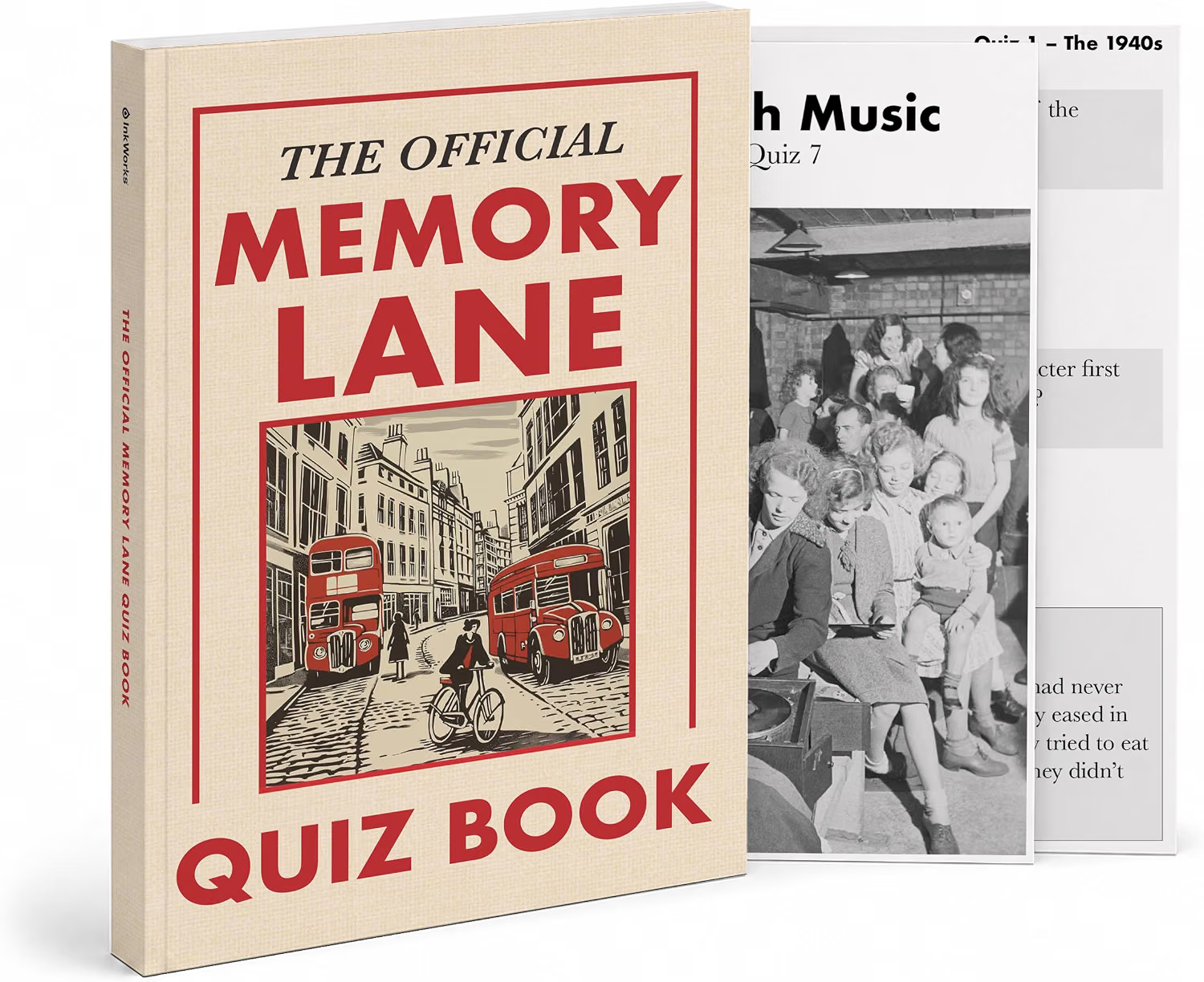
Where to shop next
- Look back to 2010
- Look back to 2011
- Look back to 2012
- Look back to 2013
- Look back to 2014
- Look back to 2015
- Look back to 2016
- Look back to 2017
- Look back to 2018
- Look back to 2019
- 2010s books, films and TV
- 2010s food and recipes
- 2010s films and directors
- 2010s calendar: year by year
- 2010s trivia: fun facts
- The 2010s: the whole decade
- 2010s party playlist
- Phone party games
- How to run a quiz night
- Decade music round questions
- Guess the year quiz
- Decade literature: writers and books by era
- Decade guides: books, films and TV by era
- Decade films: best movies and directors by era
- Decade history: key events, politics and culture by era
- Decade art: artists, styles and trends by era
- Food by decade: dishes and food trends
- Music by decade: albums, artists and songs
- Decade calendar: every year from 1920
- Decade trivia: fun facts by era
- Decade trivia game: play for points
- Nostalgia gift shop
- Milestone birthday cards
- Planning the party? Birthday party ideas
- How to make a balloon arch
- Photo booth prop ideas
- Wedding cards
- Wedding cards guide
- Pin badges
- All guides
Cards and art prints, made by us
Funny and warm greeting cards, art prints and pin badges, printed in the UK. Order on a working day and it usually goes out the same day.
 You Old Bastard (Funny Birthday Card)
£3.87
 Cheeky Wordsearch Valentines Day Card For Him
£3.87
 Fifty & Even More Fabulous Than Ever (50th Birthday Card)
£3.87
 Cheeky Wordsearch Valentines Day Card For Her
£3.87
 I Wish You Looked At Me Like Any Can of Diet Coke Ever (Valentines Day Card)
£3.87
 Sixty Looks Pretty Good On You (60th Birthday Card)
£3.87
Found your words? Now find the card
Shop prints and posters Look back to 2010 Look back to 2011 Look back to 2012