
Christmas Traditions in the UK: Where They Come From
Christmas 2026 key dates (UK)
- Black Friday: Friday 27 November
- Advent Sunday: 29 November
- Christmas Day: Friday 25 December
- Boxing Day: Saturday 26 December (bank holiday Monday 28 December)
- Last posting dates: Royal Mail usually recommends mid December for second class and a few days later for first class. Check Royal Mail for this year's exact dates.
Most British Christmas traditions are younger than people assume. The tree, the card and the cracker all arrived within a few decades of each other in the 1800s, and the television speech is barely a century old.
Here's where each one came from, and the newer ones that have quietly become traditions anyway.
Dates and origins below follow the widely documented Victorian record; where a story is disputed we've said so.
Victorian traditions that stuck
These beloved customs suit anyone who loves a classic, nostalgic festive atmosphere. Use this historical inspiration when you begin your early December preparations to bring a sense of comforting heritage into your home. A practical tip is to look for high-quality, reusable versions of these classic items, helping you build a sustainable family collection that can be passed down through the generations.
- The Christmas tree: popularised in Britain after an 1848 illustration of Victoria and Albert's tree at Windsor, though German families in Britain had them earlier.
- The Christmas card: the first commercial card was commissioned by Sir Henry Cole in 1843, and cheap postage did the rest.
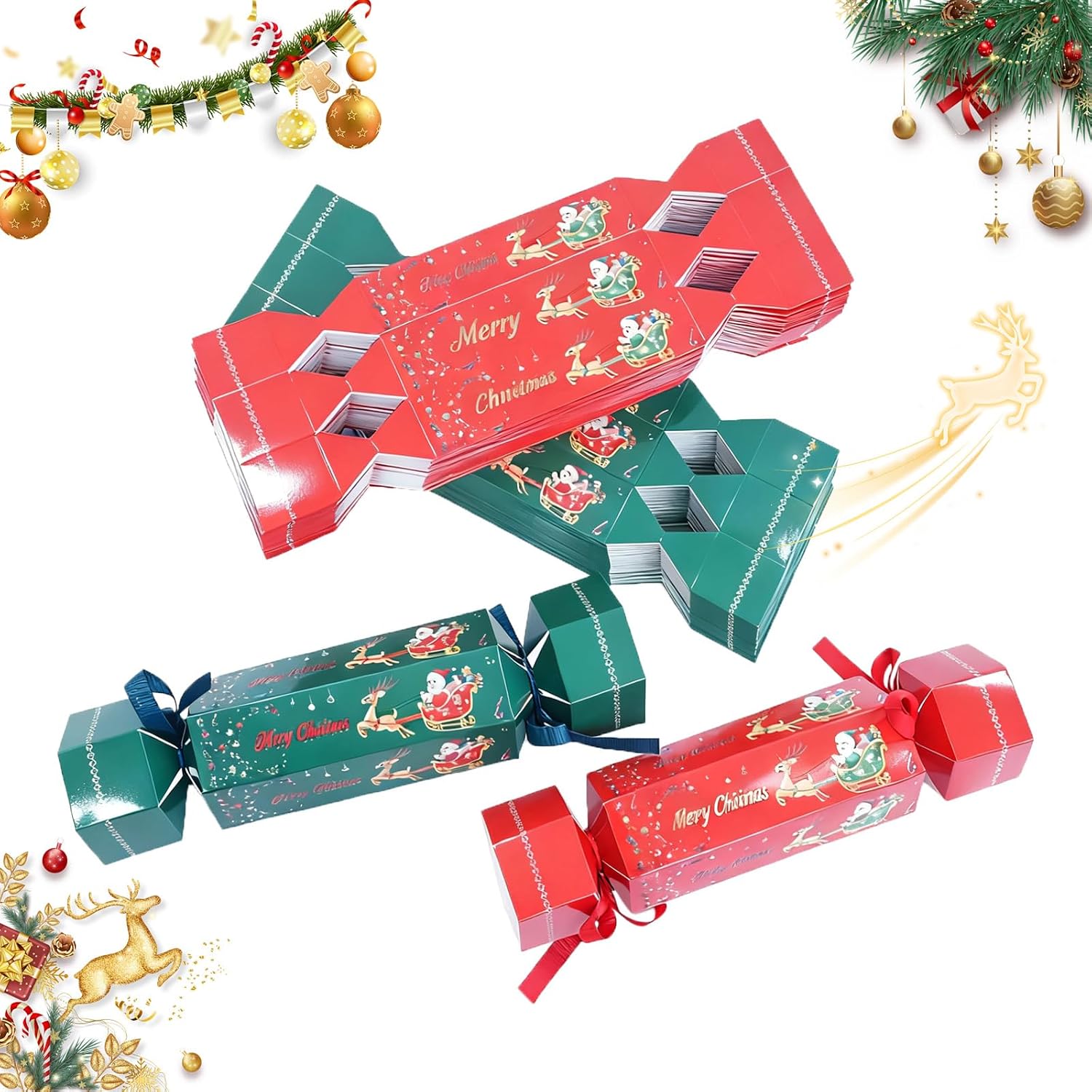
- The Christmas cracker: created by London confectioner Tom Smith in the 1840s, originally a sweet wrapper with a bang added later.
- Carol singing: revived in the Victorian period, when many of the carols we still sing were written down and printed.
- A Christmas Carol: Dickens published it in 1843, the same year as the first card, and shaped the modern idea of a family Christmas.
Food traditions
These delicious customs suit keen home cooks and hungry guests who appreciate a hearty feast. Use this guide when planning your festive menu in the weeks leading up to the holidays. A great practical tip is to prep your ingredients the night before, which keeps stress levels low and ensures you actually get to enjoy the culinary magic alongside your loved ones.
- Turkey replaced goose as the standard British Christmas bird through the 19th and 20th centuries as it became affordable.
- Mince pies originally contained meat, and shrank into the sweet version over centuries.
- The coin in the Christmas pudding was a silver sixpence, said to bring luck to whoever found it.
- Stir-up Sunday, the last Sunday before Advent, is when the pudding is traditionally made and everyone gives it a stir and a wish.
- Brandy butter, bread sauce and pigs in blankets are all comparatively modern fixtures of the British table.
Christmas Day traditions
Perfect for excited families and nostalgic hosts, these activities help structure your itinerary throughout the big day itself. Use this timeline to keep everyone entertained from dawn until dusk. Our practical tip is to keep your schedule flexible, allowing plenty of time for spontaneous moments, quiet rests, and enjoying each other's company without feeling rushed by the clock.
- Stockings hung the night before, with a satsuma and a coin in the toe.
- A carrot for the reindeer and a sherry or mince pie for Father Christmas.
- The King's Christmas broadcast at 3pm, a tradition begun by George V on radio in 1932 and televised from 1957.
- Crackers pulled before the meal, with the paper hats worn whether anyone likes it or not.
- A walk after lunch, largely to escape the kitchen.
- The Christmas Day film or special, from Morecambe and Wise to whatever is on now.
Boxing Day and after
This period suits anyone who loves a relaxed, slower pace after the excitement of the main event. Use these ideas to plan the quiet, cosy days between Christmas and the New Year. A practical tip is to arrange a simple outdoor activity, such as a local walk, which helps everyone clear the cobwebs and stretch their legs after lots of indoor indulgence.
- Boxing Day takes its name from alms boxes and the boxes of leftovers or money given to servants and tradespeople the day after Christmas.
- Football on Boxing Day is a fixture of the English calendar.
- Sales, walks, and leftovers in every form.
- Pantomime season, a distinctly British tradition with roots in commedia dell'arte and Victorian music hall.
- Twelfth Night, 5 or 6 January, when decorations come down - superstition says leaving them up brings bad luck.
Newer traditions
These modern customs suit busy families and younger households looking to create fresh, fun memories. Use them throughout December to build extra anticipation before the big day arrives. A practical tip is to only adopt the ideas that bring you genuine joy, rather than feeling pressured to do everything you see online. Keeping it simple is often the key to success.
- Christmas jumper day, now a major UK charity fundraiser in December.
- Elf on the Shelf, imported from the US in the 2000s and now near-universal in UK households with young children.
- The Christmas Eve box, another recent arrival that has become standard within about a decade.
- Secret Santa at work, with a budget argued over every November.
- The John Lewis advert as an unofficial start of the season.
- Advent calendars for adults, from gin to candles.
Regional traditions
These fascinating customs suit curious travellers and anyone keen to celebrate their local heritage. Use this inspiration when planning a winter getaway or looking to add a unique regional twist to your own celebrations. A practical tip is to research community events in your local area, as experiencing these unique festivities in person is a wonderful way to connect with neighbours.
- Scotland: Hogmanay dominates, with first-footing after midnight and a dark-haired visitor bringing luck.
- Wales: the Mari Lwyd, a decorated horse skull carried door to door in a rhyming contest, revived in recent decades.
- Cornwall and the West Country: wassailing the apple orchards in January.
- Northern Ireland and Ireland: the Christmas candle in the window, and St Stephen's Day on the 26th.
- Yorkshire and the North: Christmas markets and brass band carols on the high street.
Key things to remember
- Write the year inside one card each Christmas and keep it - it becomes its own family record.
- Stir-up Sunday is the last Sunday before Advent if you want to make the pudding properly.
- Pick one new tradition a year rather than trying to run all of them.
Frequently asked questions
What are the main British Christmas traditions?
Cards, a tree, crackers, stockings, turkey with all the trimmings, the King's 3pm broadcast, a walk, Boxing Day football and pantomime. Most were established or popularised in the Victorian era.
Why do we send Christmas cards in the UK?
The first commercial Christmas card was commissioned by Sir Henry Cole in 1843. Cheap postage made sending them affordable, and the habit has held for nearly two centuries.
Why is it called Boxing Day?
It comes from the boxes of money, food or gifts traditionally given to servants, tradespeople and the poor the day after Christmas.
When should Christmas decorations come down?
Twelfth Night, which is 5 or 6 January depending on which count you follow. Superstition says leaving them up beyond that is bad luck.
More ideas you might like
Where to shop next
- Funny Christmas cards
- All our Christmas guides
- Elf on the Shelf ideas
- Christmas Eve box ideas
- Advent calendar ideas
- Christmas quiz questions
- World Book Day ideas
- Eid card messages
- Diwali card messages
- Chinese New Year card messages
- Christmas cards
- Secret Santa gift ideas
- Pin badges
- Buy party supplies
- Cake toppers
- Table confetti
- Celebration ideas
- Work Christmas party ideas
- Planning the party? Birthday party ideas
- How to make a balloon arch
- Photo booth prop ideas
- Christmas Card Messages
- Christmas Cards UK: The Complete Guide
- Birthday cards for kids
- All guides
Christmas cards, printed and posted in the UK
Cards for mum, dad, nan, grandad, brothers, sisters and the ones who only like a rude one. Blank inside, posted first class.
 'tis the season to drink Guinness Christmas Card
£3.87
'tis the season to drink Guinness Christmas Card
£3.87
 Let's drink (Guinness) and be Merry Christmas Card With Tree
£3.87
Let's drink (Guinness) and be Merry Christmas Card With Tree
£3.87
 Let's drink (Guinness) and be merry Christmas Card
£3.87
Let's drink (Guinness) and be merry Christmas Card
£3.87
 Wishing you an Electrifying Christmas Greeting Card
£3.87
Wishing you an Electrifying Christmas Greeting Card
£3.87
 Dancing Black Santa Christmas Card
£3.99
Dancing Black Santa Christmas Card
£3.99
 Merry Christmas Nanny (Christmas Card For Nan)
£3.87
Merry Christmas Nanny (Christmas Card For Nan)
£3.87
Found your words? Now find the card
Shop Christmas cards Funny Christmas cards All our Christmas guides Elf on the Shelf ideas